
It’s interesting how, in the process of washing our head and body, we often experience mental cleansing as well. This morning, on All Hallows Eve, my shower thoughts turned to the nature of hope. I focused on the two types of hope I have written about.
Two Types of Hope
- Hollow Hope: This is a superficial form of hope. It is much like the endless spiral of death found in Spira from Final Fantasy X. It represents hope for mere survival, a husk of what hope could be.
- Healthy Hope: This is a more robust form of hope. It serves as a guiding light through the dark nights of our journey. It is a function of struggle, aimed not just at survival but at betterment. This hope is the tenacity of roots deep in truth and action, something we must nurture and pass on. Hope, our sister and steady companion, is essential.
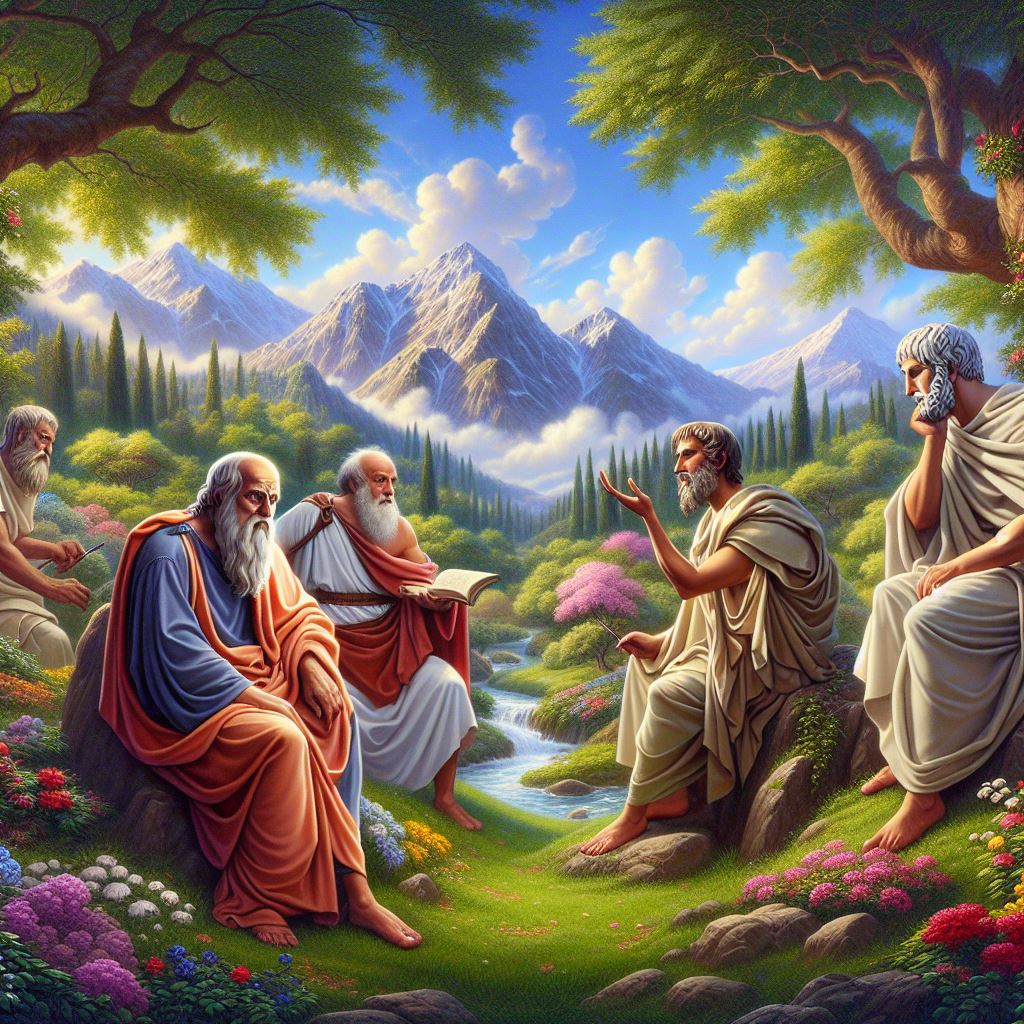
To help us better understand hope, I will draw from the wisdom of the ancients. I neither dare nor desire to define hope for you.
“Is hope the greatest good, or a dangerous illusion that distracts us from the truth?”
– Plato
Plato saw hope as a nuanced emotion. In his dialogues, he suggests that while hope can inspire and motivate, it must be anchored in reason and truth. Hope that veers into wishful thinking becomes a distraction. It pulls us away from reality.
For Plato, hope must walk hand-in-hand with wisdom; otherwise, it risks leading us into illusion rather than enlightenment.
“Can hope be considered a virtue if it drives us toward noble ends, or does it simply set us up for disappointment?”
– Aristotle
Aristotle regarded hope as virtuous when it steers us toward noble ends. In his ethical writings, he emphasizes that hope is a force. When aligned with courage and guided by reason, it drives us to achieve excellence.
For Aristotle, the pursuit of greatness requires not just hope but also resilience and rational optimism. This framing provides a steady outlook that keeps us moving forward even when faced with hardship.
“In the face of adversity, does hope fortify our spirit, or does it prolong our suffering by clinging to what might never come?”
– Seneca
As a Stoic philosopher, Seneca believed hope, like fear, binds us to future uncertainties, often unsettling our inner peace. He advocated for focusing on the present and cultivating resilience within.
True strength, according to Seneca, is drawn from accepting reality rather than placing our faith in the unknown.
The best future, he suggested, is the one you actively forge in the here and now.
“Does the wise person place their hope in external events or in their own inner strength and virtue?”
– Epictetus
Epictetus shared Seneca’s perspective. We can plant the seeds of a hope rooted in self-mastery. This is better than relying on unreliable external outcomes.
For Epictetus, true hope is sustained by personal integrity and inner resilience, not by dependence on the uncontrollable and unpredictable.
 Matty Thinks
Leave a comment